
Tips for Building Your Wedding-Day Photography Timeline
The question I get asked most on planning calls isn't about lenses or editing style. It's some version of "how do we structure the day so we're not rushing through everything." And honestly, it's the right thing to be asking. The timeline you build months in advance ends up mattering more to your final photos than almost anything else — more than the venue, more than who you hire, more than the weather even.
I've sat through enough wedding days to know what a bad timeline looks like in real time. Everyone's a little frantic. The couple keeps apologizing to their photographer for running behind. Family members get pulled away from cocktail hour three separate times because someone forgot Uncle Pete for the formals. None of that is anyone's fault, exactly — it's just what happens when a schedule gets built around guesswork instead of experience.
So here's how I actually approach it with my couples.
Work backward from your ceremony, not forward from getting ready
A lot of couples build their timeline front to back — start with when hair and makeup begins, then just stack everything after it. The problem is that approach treats the ceremony like it'll happen whenever it happens, when really it's the one fixed point everyone else in the day (caterer, DJ, officiant, family) is building around too. I'd rather start there and work outward in both directions.
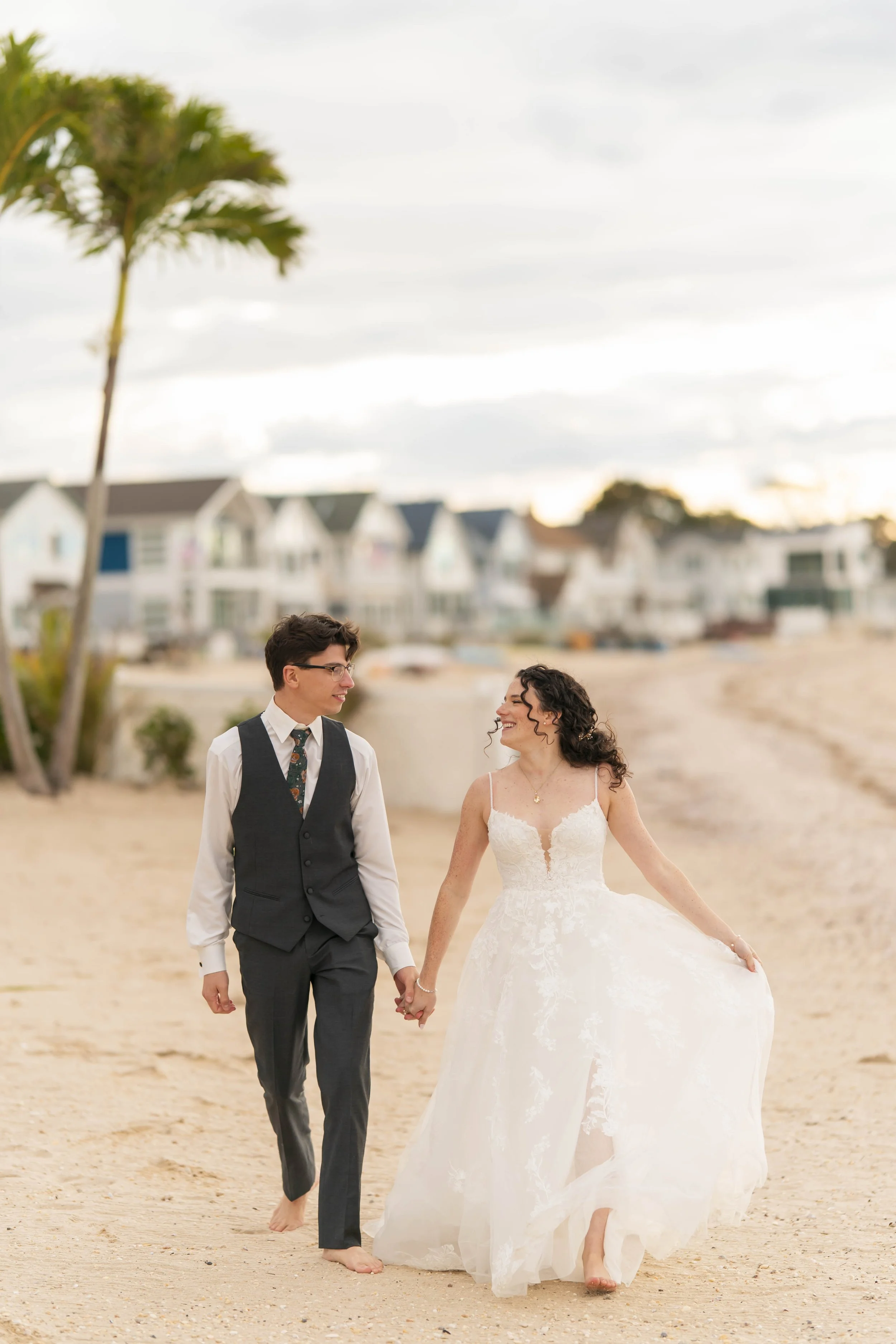
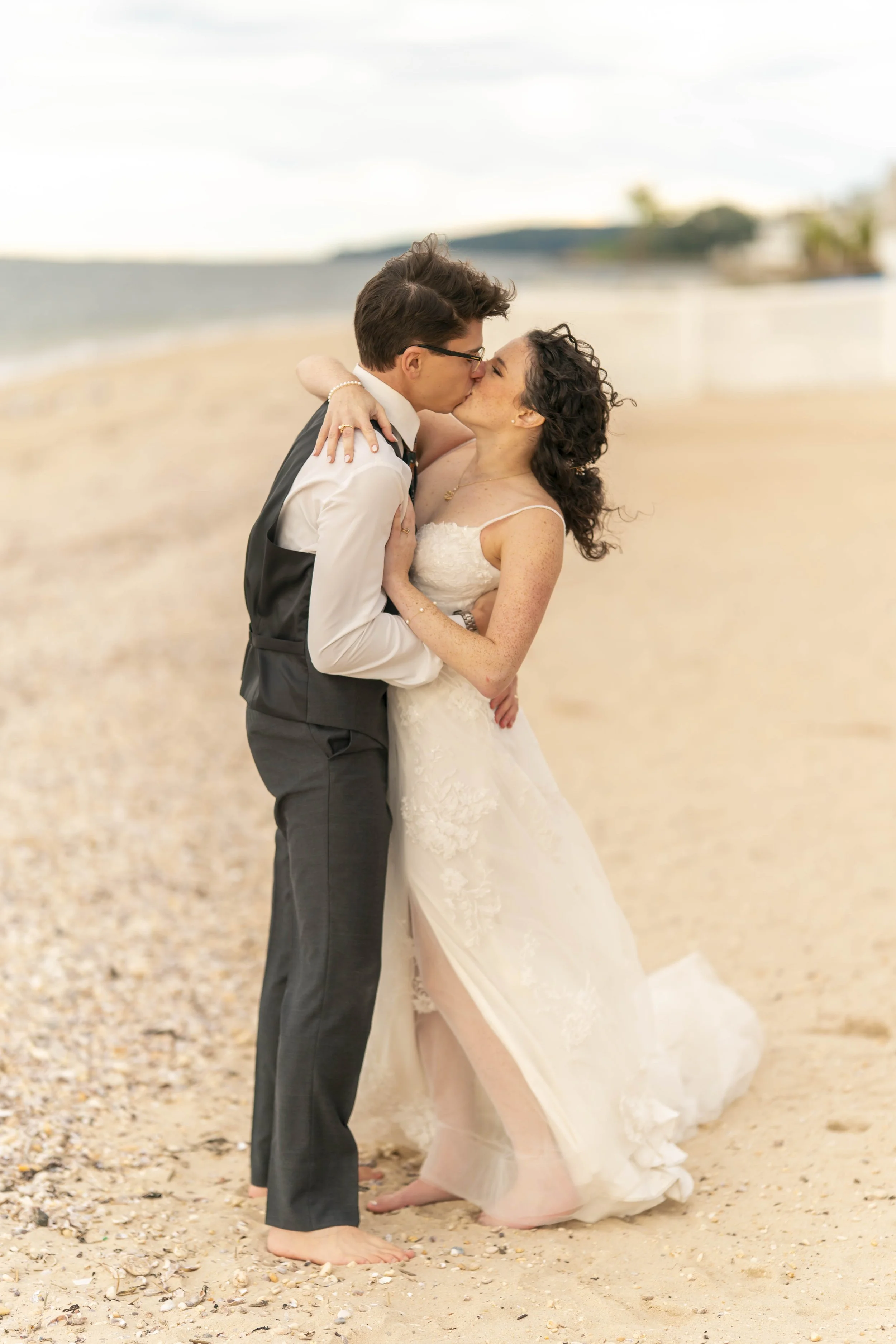
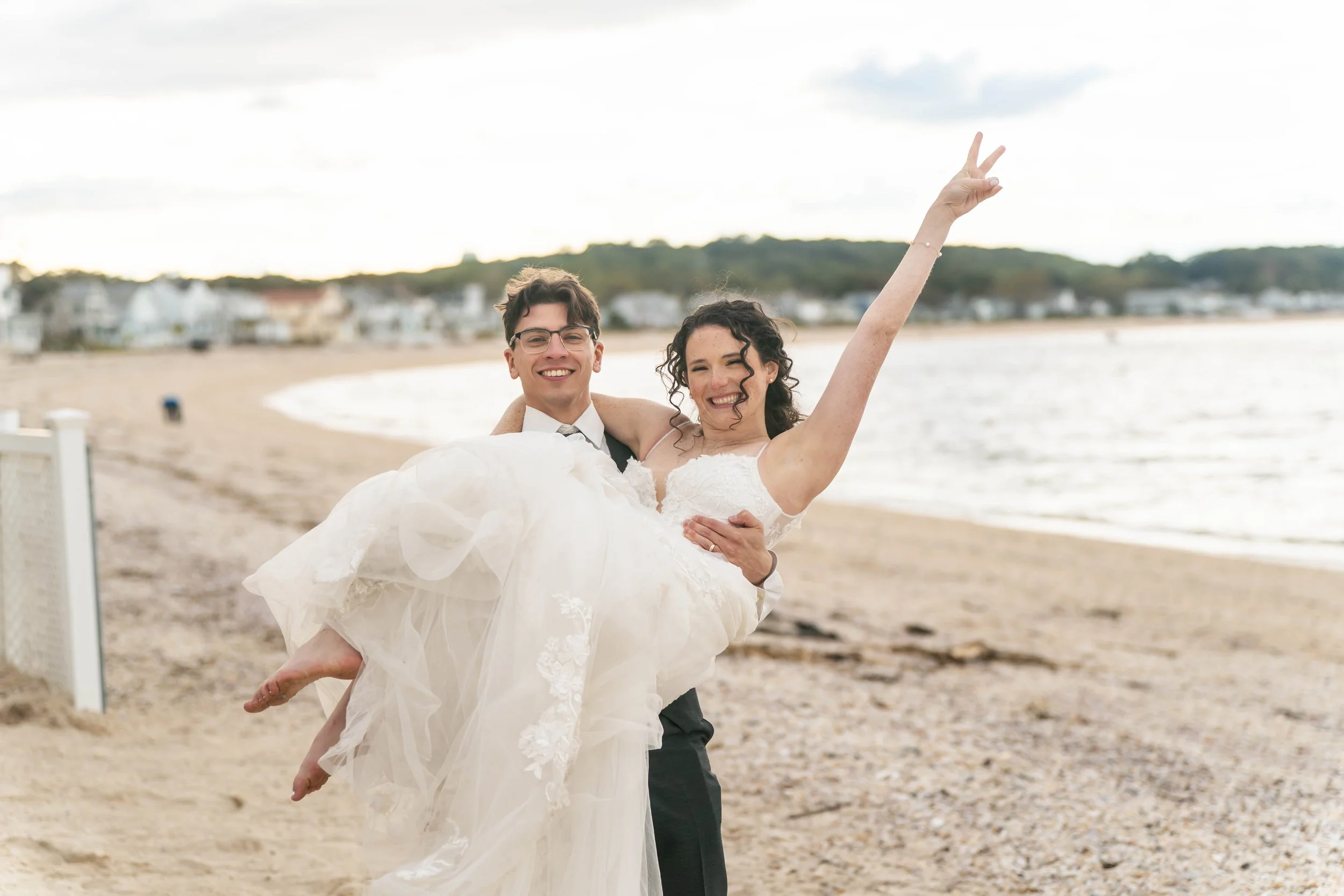
Once the ceremony time is locked, you can figure out how much runway you actually have before it for getting ready, first look, and portraits — and how much time you have after it for cocktail hour, more portraits if needed, and the reception itself.
Getting ready takes longer than you think
This is the block almost every couple underestimates. If you and your partner are getting ready in different locations, remember your photographer (or their second shooter) has to physically travel between the two, and that eats real time.
I usually tell couples to plan on:
Detail shots first — the dress, rings, invitations, any heirlooms — shot before the room gets chaotic, usually 15 to 20 minutes
Then candid getting-ready moments, another 30 to 45 minutes
And don't rush the final moment of putting on the dress or suit. It's usually more emotional than couples expect, and it's not something you want to speed through for the sake of the schedule.
First look or no first look changes everything downstream
Whether or not you do a first look isn't just a personal preference question — it restructures your entire day. If you see each other before the ceremony, you can knock out couple portraits, wedding party photos, and sometimes even family formals beforehand, which means your cocktail hour is actually yours to enjoy rather than something you spend having your photo taken.
Skip the first look, and all of that portrait time has to get squeezed in after the ceremony, which usually means eating into cocktail hour or asking your guests to wait a bit longer for you to join the party. Neither is wrong. It's a real tradeoff, and I'd rather couples make it on purpose than by accident.
Family formals will run long. Plan for it.
Out of every block in the day, this is the one I've seen blow past its allotted time most often. It's almost never the photographer's fault — it's that the shot list wasn't finalized ahead of time, or half the people on it wandered off to get a drink.
A few things that actually help: finalize your list a week or two out, not the morning of. Have someone other than you two — a parent, a wedding party member, whoever's naturally bossy in a good way — responsible for physically rounding people up. And budget more time than feels necessary. Two to three minutes per grouping adds up fast once you've got fifteen combinations of family members.
Portraits need real time, not leftover time
Couple portraits and wedding party photos tend to get treated as whatever's left over after everything else is scheduled, and that's backward. These are usually the photos you'll actually print, frame, and look at years later. Give this block real breathing room — twenty to thirty minutes minimum for each — instead of squeezing it into whatever gap remains.
Light does matter here, and there are certainly times of day that photograph more flatteringly than others. But I'd rather a couple protect enough time for portraits than fixate on hitting one specific window. A rushed ten minutes in perfect light produces worse photos than an unhurried twenty-five minutes in good-but-not-magazine-cover light.
A sample timeline, roughly
Every wedding is different, but here's a shape that tends to work well for an 8-hour coverage day with a 5:00 ceremony:
12:00 — coverage begins, details and getting ready
1:00 — first look and couple portraits
1:30 — wedding party photos
2:00 — family formals
2:30 — buffer time, get dressed, hide before the ceremony
5:00 — ceremony
5:30 — cocktail hour, actually attended by the couple
6:30 — reception begins
8:00 — toasts, cake, first dances
9:00 — open dancing
9:30+ — exit or additional coverage as needed
Yours will look different depending on your ceremony time, your venue, and how many locations are involved. This is just meant as a starting shape, not a template to copy exactly.
The mistakes that come up again and again
After enough weddings, you start seeing the same handful of things trip couples up.
Travel time between locations gets left out of the math entirely, especially when getting ready happens somewhere other than the ceremony venue. Ceremonies get scheduled without leaving any real cushion afterward for portraits. Family formals get treated as a ten-minute task when they're closer to thirty. There's no buffer anywhere in the day, so the first thing that runs long throws off everything after it. And sometimes a second location, a surprise element, or a late arrival doesn't get mentioned to the photographer until the week of — which is exactly the kind of thing that's easy to plan around if we know in advance, and hard to fix on the fly.
None of this needs to be perfect
Timelines shift. Something always runs a few minutes over. That's normal, and it's not something to stress about. The point of building one thoughtfully isn't to hit every mark exactly on time — it's to make sure that when the day inevitably drifts, as it always does a little, you still end up with everything you actually wanted.
If you're working through your own timeline right now, or you've got a draft from your venue or planner and want a second opinion, I'm happy to look it over — even before you've booked anyone. It's a conversation worth having early.